
Toilets
A toilet that shifts underfoot may sit on a cracked flange or a worn wax seal, and one that keeps running has a bad flapper or fill valve. Parts come first, then the toilet itself if parts will not do.
A rocking toilet, a dripping faucet or a shower that will not fully close is a fixture problem. A provider repairs the part or replaces the fixture, depending on its condition.
It is plumbing at the smaller scale, where the right part and a correct seal solve the trouble without opening a wall.
A toilet that shifts underfoot may sit on a cracked flange or a worn wax seal, and one that keeps running has a bad flapper or fill valve. Parts come first, then the toilet itself if parts will not do.
Inside a leaky faucet, a cartridge, washer or seat has worn out. A new part ends the drip, and a faucet eaten through by corrosion gets replaced entirely.
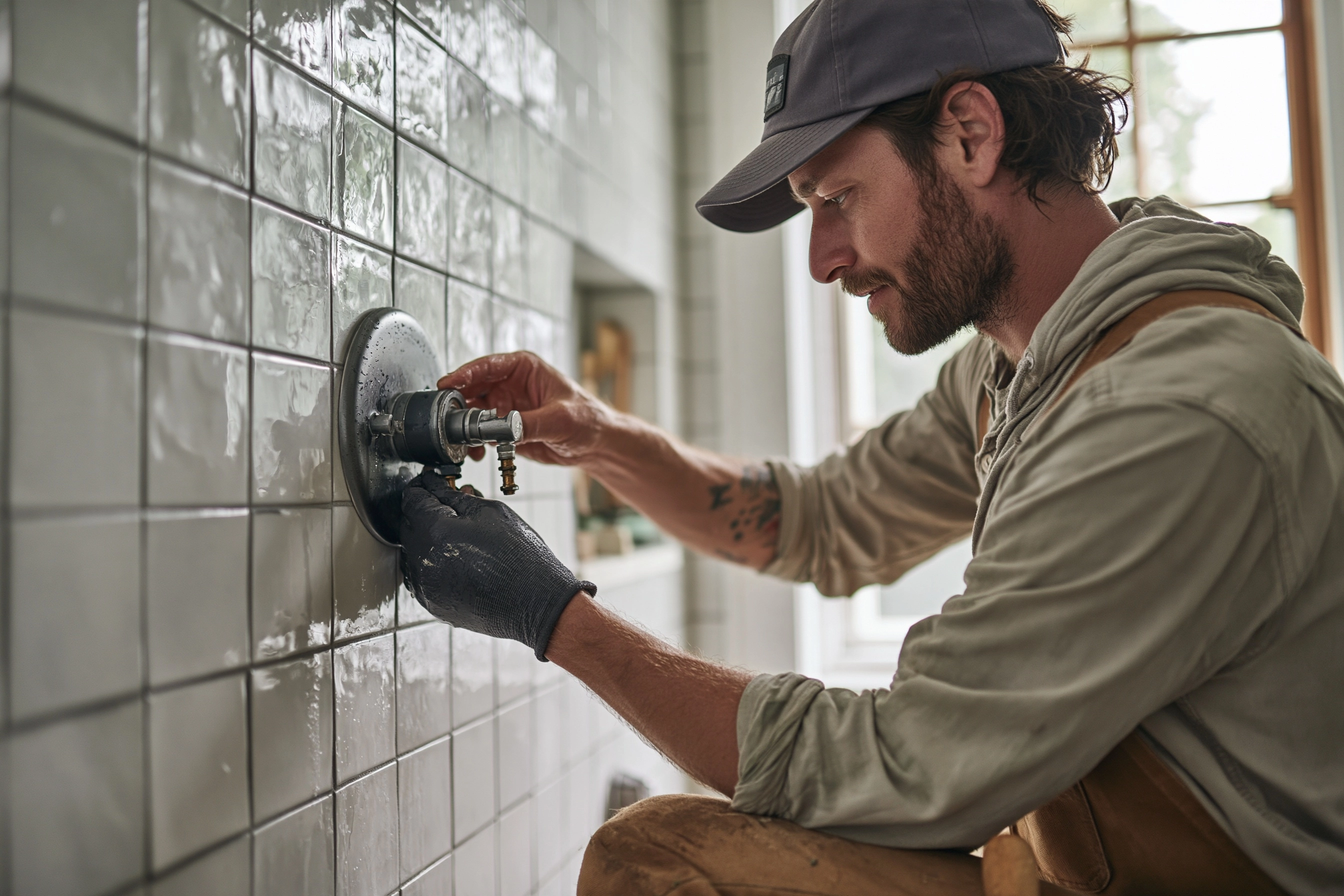
Hot and cold swinging about, or a shower that will not turn off, means the valve cartridge is worn. The plumber reaches it through the trim or an access panel.
A disposal can fail by humming without turning, seizing up or leaking under the sink. The plumber decides between clearing the jam, mending it or fitting a new one, whichever suits the unit.
A small shutoff valve and a supply line are connected behind every toilet and faucet. Either part is swapped out once it fails, and that lets you close off one fixture without the rest.
Corroded parts, cracked porcelain and a faucet whose body is worn through are replaced instead of repaired again. The plumber tells you which case yours is before starting.
Slow drainage at a fixture can come from a clog in the line past it, which is drain cleaning. Water dripping beneath a sink may need leak detection. The rest of our work is listed on the homepage.
Call us to discuss your current issue and how we can assist you. The call is free and you get a free, personalized estimate with no obligation. We're here to help.
Call (855) 321-3426